
Missing a mortgage payment is unsettling. For many homeowners, it immediately raises one question. How many payments can you miss before foreclosure becomes a real risk?
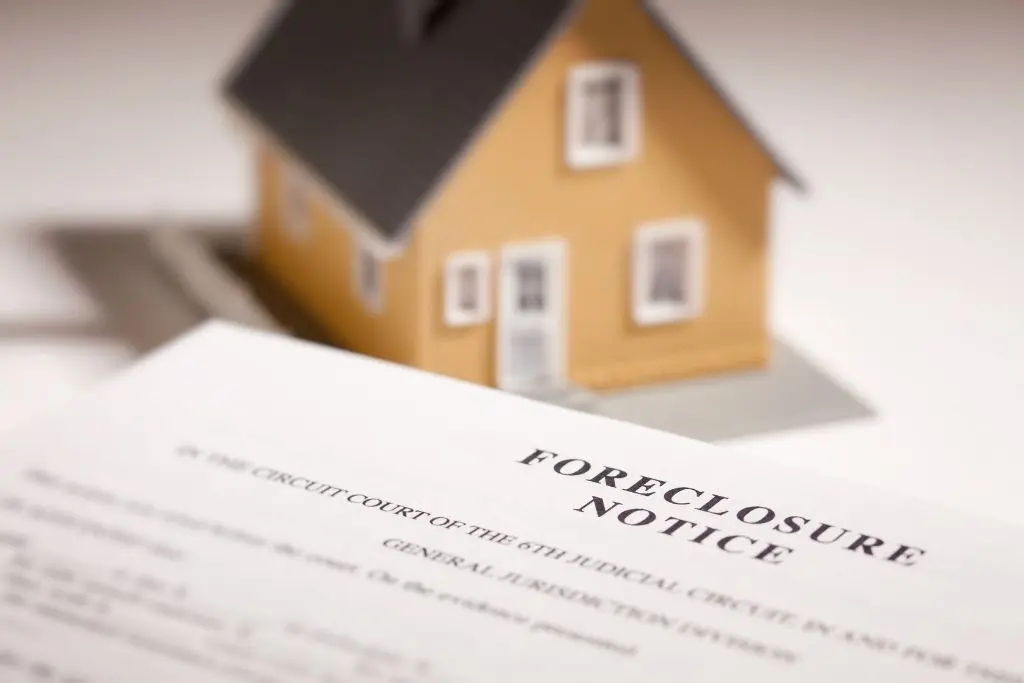
The answer is usually not as immediate as people fear. Foreclosure does not happen after one missed mortgage payment. It also does not happen overnight. There is a built-in delay between falling behind on a monthly payment and losing a mortgaged property.
That delay exists for a reason. It gives homeowners time to recover, deal with a short-term financial hardship, or at least understand what is coming next before the foreclosure process begins.
Timing matters here. A lot.
What a Missed Payment Starts
Once you miss a mortgage payment, the loan becomes delinquent. That does not mean foreclosure proceedings have started. It does mean the account is being tracked more closely by the lender or loan servicer.
At first, most lenders are simply watching to see if the payment arrives late. If it does not, the situation changes. Fees are added. Activity appears on your credit report. Over time, the issue can move toward a formal legal process.
The difference between fixing the issue early and waiting several months can be dramatic. Early action helps keep the loan current. Waiting rarely does.
The Grace Period Most People Overlook
Most mortgage payments include a grace period. It usually lasts between 10 and 15 days after the due date.
If the payment is made during that window, late fees are often avoided. Credit reporting usually does not happen yet. At this stage, the damage from missed payments is minimal.
Once the grace period ends, lenders begin adding late fees. These are often calculated as a percentage of the missed payment, not a flat charge.
This is the easiest point to recover. Many homeowners dealing with trouble paying do not realize how quickly that window closes.
Thirty Days Late Changes the Situation
When a payment reaches 30 days past due, it is commonly reported to the credit bureaus. This is when credit scores begin to drop and negative marks appear on a credit report.
For borrowers with good credit, the impact can be noticeable. Fees continue to build. The loan balance increases slightly with penalties.
Even so, foreclosure is still not underway. The loan servicer is focused on collecting overdue amounts, not moving toward foreclosure procedures.
Sixty Days Behind Feels Different
Missing a second payment makes the situation heavier. The amount needed to catch up grows as interest and fees continue to add up on unpaid monthly mortgage payments.
This is often when mortgage lenders shift the account internally. Loss mitigation teams may step in. Borrowers may hear about payment plans, mortgage forbearance, or other temporary relief options.
Those options still exist. They are not guaranteed. Waiting longer usually reduces flexibility with the mortgage servicer.
Ninety Days Past Due and the Third Missed Payment
By 90 days, after a third missed payment, the loan is considered in default. That label carries weight.
At this stage, many mortgage lenders begin preparing foreclosure paperwork, even if nothing has been filed yet. The foreclosure process begins to feel real, not theoretical.
There may still be time to avoid foreclosure. There is far less room for delay.
When Foreclosure Becomes Legally Possible
Mortgage servicers are generally required to wait until a loan is more than 120 days delinquent before they can begin foreclosure proceedings. For most borrowers, that means four consecutive mortgage payments have gone unpaid.
This waiting period exists so homeowners can apply for assistance, request a loan modification, or explore ways to avoid foreclosure proceedings.
Once that window closes, the lender may move forward under state foreclosure procedures. From there, stopping the process becomes harder.
How Foreclosure Usually Proceeds
Most foreclosure proceedings are handled outside of a full lawsuit. Instead, the foreclosure process is overseen by a public trustee.
The lender begins by filing a Notice of Election and Demand. This filing signals that the foreclosure process begins and places the mortgaged property on a path toward a foreclosure sale if the loan remains unresolved.
Notices are sent. Deadlines are set. If the default is not cured and the loan balance is not brought current, a foreclosure sale is scheduled.
In many residential cases, a limited court review occurs. This step confirms the lender’s authority within the legal process. It does not decide ownership disputes.
How Long the Process Tends to Take
From the initial filing to a scheduled foreclosure sale, the timeline often stretches across several months. The exact pace varies depending on the loan servicer and local foreclosure procedures.
Homeowners usually have the right to cure the default until shortly before the sale date. If a pre foreclosure application, payment plan, or loan modification request is under review, the process may pause.
Waiting until the final weeks leaves little room to maneuver.
Why Some Cases Move Faster Than Others
No two foreclosures move at the same pace.
State notice requirements set minimum timelines. Lender policies also matter. Some servicers slow down when borrowers submit complete documentation. Others move forward as soon as allowed.
The broader housing market plays a role too. Strong demand can speed up foreclosure timelines. Heavy volume or softer conditions often cause delays.
What This Does to Credit
A mortgage payment is usually reported once it is 30 days late. Each additional missed payment causes more damage.
Foreclosure has a much larger impact. A completed foreclosure sale can significantly lower a credit score and remain on a credit report for up to seven years.
Borrowing during that time is possible. It is usually more expensive.
Life After Foreclosure or Serious Delinquency
Credit does recover. It just takes time.
Rebuilding often starts with consistent, on-time payments on future accounts. Credit use needs to stay low. Reports should be checked regularly for errors.
Many borrowers qualify for financing again after several years. Stability matters more than speed.
If You Can No Longer Afford the Payment
Waiting is usually the worst move.
Contacting the lender or loan servicer early can help homeowners avoid foreclosure. Temporary payment reductions, mortgage forbearance, loan modification programs, or structured payment plans may be available.
Each option has tradeoffs. None work if deadlines are ignored.
Bankruptcy can pause foreclosure proceedings temporarily, but it comes with serious consequences. Legal advice is essential before taking that step.
Housing counselors and legal aid organizations can help explain options and identify scams. Anyone asking for large upfront fees should be avoided.
Frequently Asked Questions
How many mortgage payments can be missed before foreclosure starts?
Foreclosure generally cannot begin until the loan is more than 120 days delinquent, meaning four consecutive mortgage payments.
Can foreclosure start after one missed payment?
No. One missed payment may lead to fees and credit reporting, but foreclosure proceedings cannot begin that quickly.
Can foreclosure be stopped once it starts?
Sometimes. Bringing the loan current, entering loss mitigation, requesting a loan modification, or filing bankruptcy may pause or stop the foreclosure process, depending on timing.
Is court involved in foreclosure?
Most foreclosure proceedings do not involve a full lawsuit, though a limited court review is often required as part of the legal process.