
Walking into your Colorado property only to find an uninvited person has moved in is a situation that would leave any homeowners feeling blindsided. Whether it is a rental in Denver’s Capitol Hill or a quiet seasonal cabin in Silverthorne, your first instinct is likely to cut the power and kill the water. Since you are the one paying rent or the Xcel Energy or Colorado Springs Utilities (CSU) bill, it feels like common sense to shut them off.
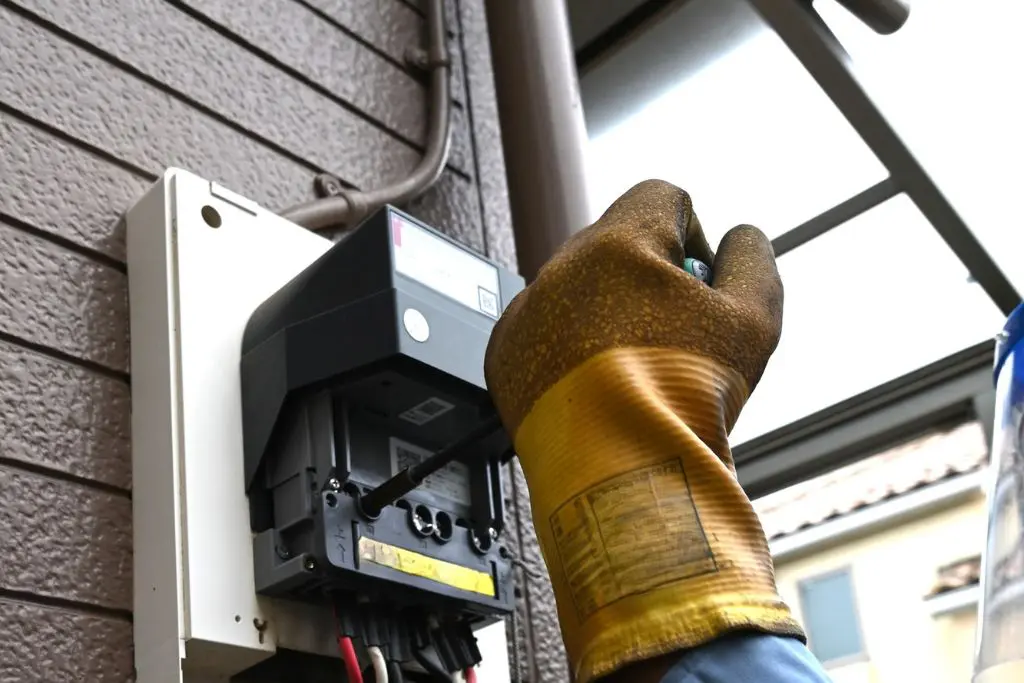
In the Centennial State, that split-second decision is a legal landmine.
While it feels like a fair response to an unfair situation, Colorado law is remarkably clear. Unlawful eviction methods, often called “self-help” evictions, are strictly illegal. Under the Colorado Residential Tenant Health and Safety Act, shutting off utilities on an occupant – even one with no permission to be there – completely changes your legal standing. This move can shift you from a victimized property owner to a defendant in a civil matter. Instead of an empty house, you could face massive fines and a squatter who stays even longer while your court case is stalled or dismissed.
The $5,000 Trap: 2026 Legal Penalties
As of 2026, the penalties for a “constructive” eviction are at an all-time high. Under C.R.S. § 38-12-510, if a court finds you willfully terminated heat, water, or electricity, the occupant may be viewed technically as a legal tenant for the duration of the dispute, entitling them to:
- Actual Damages: Any financial losses they incurred due to the shutoff.
- Statutory Damages: The greater of three times the monthly rent or $5,000.
- Court Costs: You will be required to pay for the occupant’s attorney fees and legal expenses.
Cutting off utilities in Colorado can also lead to an arrested owner facing a Class 2 Misdemeanor charge for Criminal Tampering (C.R.S. 18-4-506). This carries up to 120 days in jail, a risk that becomes significantly higher if the shutoff occurs during Colorado’s life-threatening winter months.
The “Squatting Prohibited” Act (HB25-1104)
There is significant relief for landlords and property owners who act immediately. The Colorado General Assembly recently passed HB25-1104, which creates a streamlined process to evict squatters that sidesteps the traditional months-long civil matter.
- 24-Hour Removal: If you present a valid legal title to local laws enforcement, police are now required to physically remove unauthorised occupants within 24 hours without a court order, provided the occupants cannot produce a rental agreement or credible lease.
- Daily Fines: Under this law, squatters face a mandatory fine of up to $1,000 for every day they unlawfully occupy your premises.
- Restitution: Courts must now order the squatter to pay for any property damage and your lawyer fees.
Understanding the Occupant: Colorado’s Legal Definitions
In local courts, how someone entered your house or apartment determines whether you call the police or seek legal advice.
The Trespasser
If someone smashed a window or forced a lock to get into your main house, that is a criminal matter. Local police can often intervene immediately for “criminal trespass” under C.R.S. 18-4-502.
The Squatter (Peaceable Entry)
If they found an unlocked door and simply walked in, Colorado law often classifies this as “peaceable entry.” If you do not use the new HB25-1104 path, you must go through the Forcible Entry and Detainer (FED) process in the county court.
The “Holdover” Guest
This is common in college towns like Boulder. If you allowed a family member, friend, or guest to stay for a few weeks and they refuse to vacate, they may have established a tenancy at will. This requires a formal Notice to Quit before any legal action can be taken.
The Reality of Adverse Possession in Colorado
While squatter’s rights stories often go viral, adverse possession laws in Colorado are protective of owners. Under C.R.S. 38-41-101, a person must occupy a land or property for 18 continuous years before they can claim ownership. Following 2008 reforms, they must also prove a “good faith” belief that they were the actual owners. Your possession is safe as long as you do not ignore the situation for nearly two decades.
The Legal Blueprint: How to Reclaim Your Property
- Serve the Proper Notice: Post a written Notice to Quit physically on the door.
- File the FED Action: If the deadline passes, file an Unlawful Detainer in the County Court. Filing fees typically range from $85 to $135.
- Get the Writ of Restitution: After your hearing, the judge will issue a Judgment for Possession and a Writ of Restitution.
- The Sheriff’s Lockout: Only a Sheriff’s Deputy can legally remove someone. Once the Sheriff hands you the keys, you can secure the property, change the locks, and settle utilities.
Proactive Local Strategies
Effective prevention starts with security. Posting “No Trespassing” signs across all entry points makes it much easier for police to apply the 24-hour removal rule. To protect your business or home, local property managers recommend smart monitoring. Using smart thermostats with “freeze protection” alerts ensures you are responsible for the pipes while receiving an immediate notification if someone enters.
If you are dealing with an unauthorized occupant, you should consult with an attorney who has experience representing landlords. Many firms offer a free consultation to decide the best course of action.
Frequently Asked Questions
Can I be arrested for turning off a squatter’s water in Colorado?
Yes. Under C.R.S. 18-4-506, you can be charged with Second-Degree Criminal Tampering. If the lack of heat or water endangers the occupant during a Colorado cold snap, charges could escalate to Reckless Endangerment.
How long does it take to evict a squatter in Denver?
Under the new 2026 laws, if you have clear title and law enforcement cooperates, it can happen in 24 hours. If they claim a valid lease and it goes to court, the process typically takes 4 to 6 weeks.
Do I have to pay for a squatter’s electricity?
Legally, you cannot terminate an existing service that you provide as the owner until the legal removal is complete. However, the squatter is now liable for $1,000 per day in fines under HB25-1104, which can help offset these costs later.
What if the squatter claims they have a lease?
This is a common tactic used by criminals or savvy occupants. If they present a document to the police, the 24-hour removal may be paused until a judge reviews it. Colorado judges are now required to rule on these cases within 10 days under the new 2026 mandates.