
Figuring out exactly when is it too late to stop foreclosure is a game changer for homeowners dealing with a tough financial situation. A lot of folks in Colorado think that the moment they fall behind on mortgage payments or an auction date gets posted, their hands are completely tied. That simply isn’t true. If you are facing foreclosure, you have viable options right up until the auctioneer’s hammer falls, but waiting around is your worst enemy.
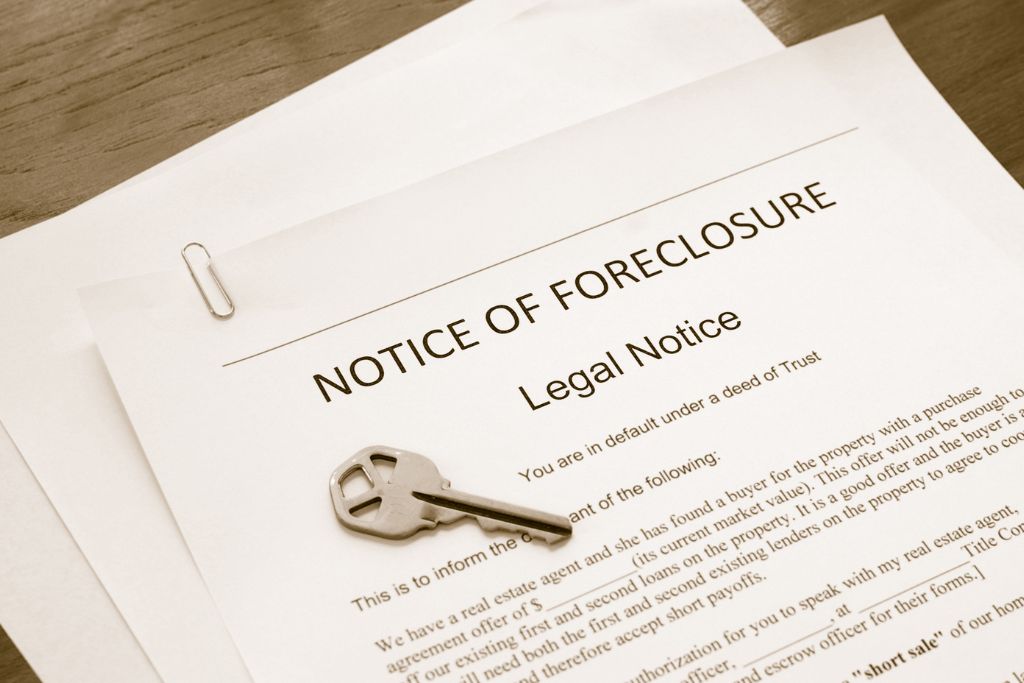
The local market has shifted noticeably over the last two years. Across the Front Range, pre-foreclosure filings climbed 12% in the second quarter of 2026 compared to last year, with Adams County seeing a stark 60% spike. Calls to the Colorado Housing Connects hotline surged by 47% in the first few months of this year alone. If you are feeling the squeeze from accumulating missed payments, you are far from alone. However, you need to know exactly how the Colorado system works to stop foreclosure and protect your hard-earned equity.
Colorado operates on a unique Public Trustee system that dictates tight legal deadlines. Let’s discuss the actual foreclosure timeline, your legal options, and how to protect your home before the clock runs out.
The Public Trustee Timeline: 110-to-125-Day Countdown
Unlike most states that use private tracking companies or lengthy court cases, Colorado routes nonjudicial foreclosures through an elected or appointed county official called the Public Trustee. This keeps the legal process moving fast.
The foreclosure timeline officially moves through several key stages. Once a homeowner fails to make monthly installments for roughly 120 days, federal law allows your mortgage lender or mortgage servicer to hand the paperwork to a Colorado licensed attorney. Before the lender issues a formal notice, your mortgage company typically sends a demand letter warning you about the overdue balance and stacking late fees. Once the lender files the paperwork, it records a formal notice of default, technically called a Notice of Election and Demand (NED), which serves as the official foreclosure notice in our state.
For a standard residential property, the recording of the NED automatically triggers a strict 110 to 125 calendar day countdown to the scheduled foreclosure sale. If your property is legally classified as agricultural, you get a wider window of 215 to 230 days.
The Hard Deadlines to Keep in Mind
| Foreclosure Stage | What Happens | Can It Be Stopped? | The Hard Colorado Deadline |
| Pre-Sale (NED Recorded) | Public Trustee winds up the process, mails you a Combined Notice, and publishes the sale in a local newspaper. | Yes | Anytime within the 110 to 125 day window to avoid foreclosure. |
| Rule 120 Hearing | A state District Court judge reviews the case to authorize the foreclosure auction. | Yes | You must file a legal response in the court system at least 7 days before the hearing date. Unlike a judicial foreclosure that starts with a formal foreclosure complaint, this is a streamlined hearing. |
| Intent to Cure | Official request to get total catch-up figures from your mortgage lender. | Yes | Must be filed at least 15 calendar days before the sale date. |
| Final Cure Payment | Bringing the past-due balance, fees, and legal costs fully current through a payment plan. | Yes | Certified funds must be in the Public Trustee office by 12:00 PM (Noon) the day before the foreclosure auction. |
| The Auction | The property is sold to the highest bidder or goes back to the lender. | No | The actual sale is the ultimate point of no return where a new owner takes over. |
The True Point of No Return: Colorado law does not give homeowners a post-sale redemption period. Once the auction concludes and the Public Trustee issues the Confirmation Deed, your ownership is legally over. You cannot buy the house back.
Key Tactical Moves to Halt a Mortgage Foreclosure
If your sale date is looming on a Wednesday or Thursday morning, you still have powerful foreclosure prevention options to stop the foreclosure cold and save your home.
1. File a Notice of Intent to Cure
This is your most powerful right under Colorado foreclosure laws. Filing this form tells the Public Trustee you want to catch up on your missed payments. There is no fee to file, and it does not obligate you to pay, but it forces the lender’s attorney to provide an exact breakdown of what it takes to make the mortgage agreement current. Remember that the form must be submitted 15 days before the sale, and cash or certified funds must be delivered by noon the day before the auction.
2. Request a Loan Modification or Loss Mitigation Review
Lenders generally prefer steady monthly payments over taking back a physical house. You can work with your servicer’s loss mitigation department to see if the lender agrees to a loan modification. This can permanently alter your loan terms, lower your interest rate, or extend the timeline to ease your financial hardship. You will typically need to submit a hardship letter, recent pay stubs, and tax returns. Under federal rules, a servicer cannot execute a foreclosure sale if you submitted a complete application at least 37 days before the auction. This protection against dual tracking is a critical way to delay foreclosure.
3. Seek Bankruptcy Protection
If you are down to the wire and cannot pull together the cash to cure the default, filing for bankruptcy puts up an immediate legal wall called an automatic stay. Whether you choose to file bankruptcy under Chapter 13 or Chapter 7, this court order legally forces the Public Trustee to halt the foreclosure proceedings and call off the foreclosure auction immediately.
4. Hire a Foreclosure Defense Lawyer
Navigating the court system and verifying if the lender met all legal requirements can be overwhelming. Working with an experienced foreclosure defense lawyer allows you to identify viable legal defenses. For example, if the lender failed to properly log your last payment or violated Servicemembers Civil Relief Act rules for homeowners on active duty, a foreclosure defense lawyer can file a motion to halt the process entirely.
Mortgage vs. Property Tax Foreclosure: Two Completely Different Beasts
It’s dangerous to confuse a standard mortgage foreclosure with a property tax foreclosure because the rules of engagement are entirely different.
Mortgage Foreclosure
This kicks off when a borrower defaults on their mortgage agreement with a private mortgage lender. It follows the rapid 4-month nonjudicial timeline managed by the County Public Trustee, ending at the foreclosure auction with no post-sale redemption period for the homeowner.
Property Tax Foreclosure and Tax Lien Foreclosure
A tax lien foreclosure is handled by the County Treasurer when a homeowner fails to pay their local property taxes. If you have accumulated unpaid property taxes, the county does not seize your home right away. Instead, they sell a tax lien certificate to a private investor at a public auction. This kicks off a generous three-year statutory redemption period. You have a full three years to pay off the back property taxes plus interest to the Treasurer. If you fail to clear the debt within those three years, the investor can apply for a Treasurer’s Deed, which passes ownership to a new owner and completely wipes out your equity.
Clean Exits When Saving the Home Isn’t an Option
If keeping the property and maintaining your monthly payments is not financially realistic, protecting your credit score and avoiding an eviction record should be your primary focus.
The Short Sale Route
If your home is worth less than what you owe on your mortgage, you can ask if the lender agrees to a short sale. This means selling the property on the open market for a lower price than the remaining loan balance. The lender absorbs the loss and cancels the remaining debt. While it still impacts your credit profile, a short sale is far less damaging than a completed foreclosure and avoids a public auction listing.
Deed in Lieu of Foreclosure
A deed in lieu of foreclosure is essentially handing the keys directly back to your mortgage company. You voluntarily transfer the property title to them, and in exchange, they cancel the mortgage and halt all foreclosure proceedings. Lenders will only agree to a deed in lieu if your title is completely clean, meaning you don’t have secondary mortgages, construction liens, or outstanding local tax problems attached to the home.
Spotting Foreclosure Scams Targeted at Coloradans
When a Public Trustee records an NED, it becomes public record. Scammers comb through these local county registries to target vulnerable homeowners seeking foreclosure help. Watch out for these red flags:
- Upfront Fees: It is completely illegal under Colorado law for a foreclosure consultant to charge you upfront fees before delivering actual results.
- The Deed Transfer Trick: Never sign papers that transfer the title of your home to a third party under the promise that they will rent it back to you or fix your credit. You will lose your home and your equity.
- Instructions to Avoid Your Lender: If a consultant tells you to stop communicating with your mortgage servicer or your attorney, walk away immediately.
If you suspect you are being targeted by a fraudulent firm, reach out immediately to the Colorado Attorney General’s office or connect with a HUD-approved counselor through local networks like Colorado Housing Connects. These official resources will guide you through your rights without demanding a paycheck upfront, as verified by the Department of Housing and Urban Development.
Colorado Foreclosure FAQs
Can my Colorado HOA actually foreclose on my house over unpaid dues?
Yes. Colorado Homeowners Associations can legally initiate a foreclosure through a judicial process if you fall behind on common assessment fees. However, state law under House Bill 22-1137 gives you significant protections. Your HOA must follow strict legal requirements, including offering a formal 180-day repayment plan option before attempting to foreclose. Because an HOA must use the judicial court system, you can contest the action up until a final judgment is issued and the sheriff sale occurs. If you find yourself in this position, it is wise to seek a free consultation with a local attorney to review your options.
What happens if I am on active duty when a foreclosure begins?
If you are on active duty in the military, you are protected by both federal and Colorado laws. Lenders cannot easily move forward with a Public Trustee sale without specific court approvals. An experienced foreclosure defense lawyer can use these protections as strong legal defenses to halt the foreclosure proceedings entirely.
How close to the auction can I wait before it is officially too late to stop the sale?
In Colorado, it is legally late to stop the sale once the clock strikes 12:00 PM (Noon) on the day before the scheduled auction. That is the final deadline to submit your certified cure funds to the Public Trustee office. If you are trying to halt the sale via a loan modification or a bankruptcy filing, those legal actions must be finalized and processed before the actual sale begins on auction day.