
Termites aren’t exactly the first critters you’d expect to find in Colorado’s dry, high-altitude climate. But surprising as it is, they’re here, and can cause some real headaches if ignored.
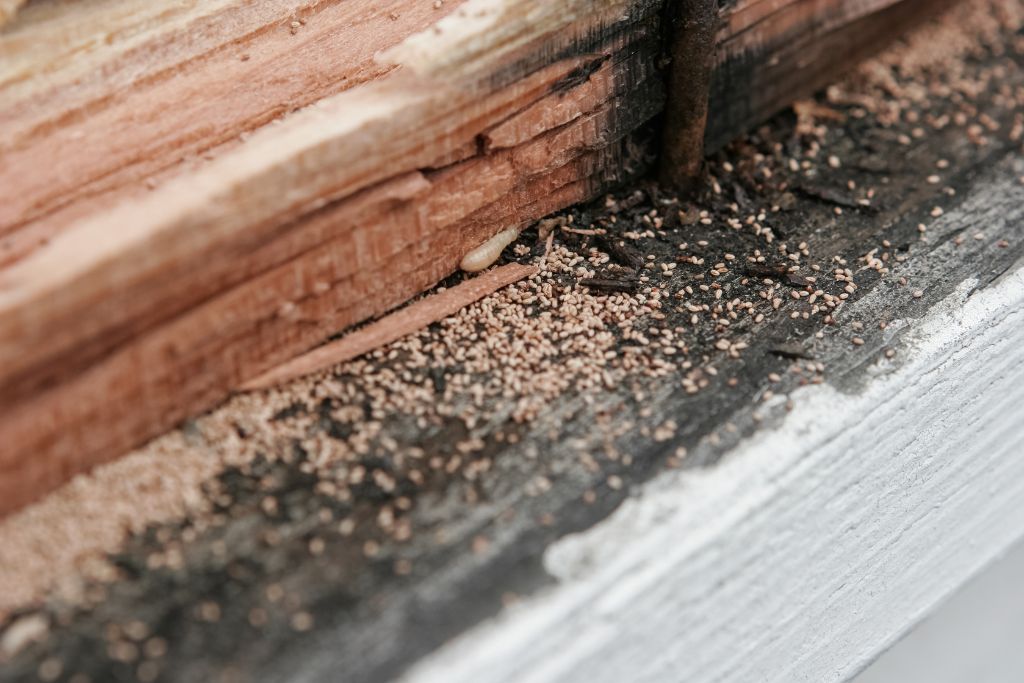
While termite infestations aren’t as rampant here as in the Deep South, they remain active across Colorado, especially along the moisture-rich Front Range. These hidden pests live underground and chew through framing undetected until severe structural damage is already done.
Protecting your home means beating them at their own game. By knowing where local species hide, recognizing early warning signs, and eliminating the specific moisture traps that draw them in, you can stop a costly structural mess before it starts. For properties with severe historical damage, this structural headache is why many homeowners end up skipping repairs and going straight to cash buyers to walk away from the property hassle-free.
The Colorado Termite Map: High-Risk Zones & Regional Realities
You cannot put one blanket threat label on a state with our wild geography. Federal mortgage maps often lump our state into a generic “slight-to-moderate” category, but the official Termite Infestation Probability Zones show that a huge portion of our residential areas faces a real threat. About a third of Colorado sits inside TIP Zone #2, meaning there is a significant potential for localized structural damage. Another third sits in Zone #3.
Your actual risk depends entirely on your specific zip code:
- The I-25 Corridor: From Fort Collins down through Denver, Boulder, Colorado Springs, and Pueblo, local pest crews stay busy tracking termite activity. This is mostly a self-inflicted problem. In our typical native habitats of dry dirt, termites struggle to find water. But our suburban subdivisions offer a non-stop supply. Between automated lawn sprinklers, thick green sod, and heavy winter snowbanks melting right against concrete foundation walls, we have engineered the perfect damp microclimates for them.
- The Eastern Plains & River Valleys: Out east toward Burlington or down in the San Luis Valley near Del Norte, a house faces a lot of subterranean termites pressure. These areas have naturally higher water tables and river valleys, plus heavy agricultural irrigation channels. That gives an underground colony a reliable lifeline.
- The Western Slope: Grand Junction and Mesa County operate under totally different rules. The valley traps summer heat much longer than the Front Range and gets significantly hotter. That extra warmth allows small pockets of drywood termites to survive. Usually, they get carried into town inside transported wooden objects like imported wine crates or vintage furniture.
- The High Country: If your home is up in Steamboat Springs, Vail, Leadville, or Telluride, you can mostly cross this off your worry list. Sub-zero winter ground freezes, short summers, and rocky soil make it incredibly tough for wild colonies to take root. When a mountain home gets a termite infestation, it is almost always due to a major structural issue, like an ignored plumbing leak pooling water inside an unventilated crawl space.
Colorado’s Wood-Destroying Species
Identifying what is crawling around your perimeter determines how you protect and treat the property.
1. Subterranean Termites
Soil-dwelling subterranean termites are responsible for about 95% of all termite damage in the state. These bugs have fragile, thin skin. If they are exposed to our dry air outside the soil, they dry out and die. To survive, they stay deep in the ground where moisture levels are stable, only tunneling up into a home’s framing to forage for cellulose, which serves as their primary food source. They break down this organic wood material to feed the nest, including the reproductive queen.
- Arid Land Subterranean Termites (Reticulitermes tibialis): This is our most common native bug. Out in the foothills or the plains, their typical native habitats are beneath fallen cottonwood logs or dried cow pies anywhere below 7,500 feet. The issue starts when a new subdivision breaks ground on old pasture land or sagebrush desert. Once the bulldozers clear away their natural wood resources, they move straight into the untreated framing of new home foundations, barns, and backyard sheds.
- Eastern Subterranean Termite (Reticulitermes flavipes): This species is a major headache in older, established Front Range neighborhoods. They build massive underground pathways wherever homeowners over-irrigate landscaping or let gutters overflow, slipping through tiny foundation cracks to hollow out structural timber from the inside out.
2. Western Drywood Termites
Mostly found in the hotter desert valleys near Grand Junction, these termites do not care about damp soil. They move right into sound, dry wood, like attic rafters or wood windows frames. They extract every bit of moisture they need from the wood fibers and the ambient air, completely independent of the ground.
Subterranean vs. Drywood Termites
| Feature | Subterranean Termites | Drywood Termites |
|---|---|---|
| Moisture Needs | High; rely entirely on damp soil | Low; extract moisture from wood and air |
| Colony Location | Deep underground | Entirely inside the wood structure |
| Primary Indicators | mud tubes, dirt-lined wood tunnels | Distinct fecal pellets, tiny kick-out holes |
| Movement Method | Traveling through soil tunnels | Boring within and between dry wood members |
They Don’t Freeze in Winter, They Just Dig Deeper
Another piece of bad local advice is that our brutal winters kill off the termite population every year. They absolutely do not. Termites do not freeze to death or hibernate when a blizzard hits. They just use their tunnel networks to drop down below our local frost line.
Depending on your county and soil type, the Colorado frost line drops anywhere from 36 to 48 inches deep. Below that, the soil stays at a stable, survival-friendly temperature.
Even worse, if a colony has already found an entry point beneath your home, our winter lifestyle plays right into their hands. Heated basements, insulated crawl spaces, sump pumps, and radiant floor heating warm up the surrounding perimeter soil all winter long. Because they work from the inside of the wood outward, an active colony can silently chew through your floor joists in the middle of January while it is below zero outside.
Vulnerability Checklist
To keep your home protected, look at your property through the eyes of a foraging pest. They are hunting for places where wood and moisture meet. Eliminate those spots, and you eliminate the threat.
Landscaping and Sprinkler Traps
Our dry air is your best natural defense, but home irrigation completely overrides it. Look out for lawn sprinklers hitting the side of the house, flowerbeds graded so snowmelt slopes toward the foundation, or clogged gutters dumping roof runoff right at the base of your walls.
Adjust your sprinkler heads so they do not spray within three feet of your foundation. Grade your soil so it slopes down and away from the house, ideally dropping six inches over the first ten feet. Finally, extend your downspouts so roof runoff discharges at least three to four feet away from your foundation walls.
Direct Wood-to-Soil Contact
Giving termites a direct path from the dirt into your wood framing lets them bypass our dry air completely. They do not even have to build visible mud tubes on the surface; they just walk right in. This happens often with a wooden deck, porch, or pergola post sunk directly into raw dirt. Wooden fence lines attached flush against your home’s siding and wood mulch beds piled high against your foundation concrete cause the exact same issue.
Make sure all structural posts sit on raised concrete piers. CSU Extension recommends keeping all structural wood and siding at least 8 inches above the soil line. If you use wood mulch, keep it pulled back at least six inches away from the foundation wall, or switch to stone or gravel borders near the house.
Perimeter Attractants and Foundation Gaps
Scouting termites look for cracks as narrow as 1/32 of an inch to enter a home. Storing their favorite materials right next to those cracks makes an entry inevitable. Firewood piles stacked against your garage or house siding, dead tree stumps, or buried construction scrap in the yard give them a perfect staging ground.
Store your firewood on elevated racks at least six inches off the ground and move the pile well away from the main house. Grind out old tree stumps and remove buried wood debris. Seal up every hairline foundation crack and utility line penetration with a high-grade polyurethane sealant.
How to Spot an Active Colorado Infestation
Because termites hollow out wood from the inside, you will rarely see a worker bug crawling across your floor. Instead, watch for the explicit presence of these distinct warning signs:
1. Springtime Swarmers and Discarded Wings
Mature colonies regularly produce winged reproductive termites, called alates, to go out and start new nests. In Colorado, this swarming behavior usually happens between March and June. They favor warm, sunny mornings right after a heavy spring rain or a major snowmelt.
Keep an eye on indoor window sills, door frames, and basement vents. Finding dozens of dark, winged insects fluttering indoors is a clear sign of an active nest underneath or inside your home. They do not fly long; they quickly land, drop their wings, and leave behind small piles of uniform, translucent wings.
2. Mud Tubes on Foundation Concrete
Look closely at your concrete foundation walls, especially where the dirt meets the house. Subterranean termites build pencil-width earthen tubes out of mud, soil, and saliva. These mud tubes act as climate-controlled, insulated highways that protect them from our dry air as they travel between their underground nest and your home’s framing. If you break a tube open and see creamy-white worker bugs inside, it is actively under construction.
3. Structural Cavities and Hollow Wood
Termites eat wood along the grain, leaving the outer paint or wood finish completely intact as a protective shell. Tap on your baseboards, window frames, support beams, or rim joists with the plastic handle of a screwdriver. If the wood sounds hollow, paper-thin, or crumbles easily because it has been eaten away internally, the structural integrity is gone. For drywood termites in western Colorado, look for tiny, sand-like piles of fecal pellets directly beneath small kick-out holes in the wood.
Difference Between Termites and Flying Ants
Every spring, local pest control offices get flooded with frantic calls about termites that turn out to be harmless swarming ants. Before you stress, grab a magnifying glass and check these three traits to make a correct identification:
- The Antennae: Termite antennae are completely straight and look like a tiny string of round beads. Ant antennae are distinctly bent or elbowed.
- The Waist: Termites have a thick, uniform waist with a straight, tubular body. Ants have a classic, cinched hourglass waist.
- The Wings: Termite swarmers have four wings that are completely equal in length, shape, and vein pattern, extending far past their body. Flying ants have two large front wings and two noticeably smaller hind wings.
Unlike termites, swarming ants do not feed on cellulose and pose no threat to your framing, making them far less destructive pests to humans.
Professional Treatment Strategies Built for Our Soils
If you discover a termite infestation on your property, over-the-counter DIY sprays will often cause the problem to fragment and spread. When you spray a localized chemical, the termites notice the barrier, split the underground colony, redirect their pathways, and simply attack an entirely different section of your home. Professional remediation relies on two main methods to eliminate the underground colony at its source.
Liquid Perimeter Barriers (Trenching and Rodding)
To stop subterranean termites, technicians must create a continuous chemical shield around your foundation. They dig a shallow, 6-inch-deep trench right against your exterior concrete walls, apply a non-repellent termiticide, and use long injection rods to push the treatment deep into our dense, clay-heavy Colorado soils.
Because the insects cannot smell or see this specific chemical, they walk right through it. Foraging workers pick it up on their bodies, carry it back down into their deep nesting tunnels, and transfer it to the rest of the colony through natural grooming, effectively eliminating the queen and collapsing the nest.
Advanced Baiting Systems
If your home features extensive concrete patios, brick hardscaping, or mature landscaping flush against the foundation where digging a trench is not realistic, you can opt for a baiting system.
Low-profile bait stations are installed flush into the lawn at regular intervals around the perimeter. These stations contain a highly compressed cellulose bait that termites actually prefer over standard home framing. Foraging workers find the stations, feed on the active matrix, and carry the insect growth regulator back to the nest. This compound stops the termites from molting, halting their lifecycle and systematically collapsing the underground colony without requiring structural excavation or drilling.
If you are interested in checking your home’s safety margin or want to map out a defense plan, the smartest step is to schedule regular inspections with a certified local pro who knows our soil conditions inside and out.
Frequently Asked Questions
What are the most common signs of termites in Colorado?
Look for pencil-width mud tubes running up foundation concrete, piles of clear wings on window sills after a spring swarm, and structural wood that sounds hollow when tapped.
How can you tell the difference between termites and flying ants?
Termites have straight antennae, thick waists, and four wings of completely equal length. Flying ants have bent antennae, cinched hourglass waists, and longer front wings. They are entirely different species and affect humans differently.
What attracts termites to a Colorado home?
They are drawn in by easily accessible wood and unmanaged moisture. Common local culprits include landscape watering that keeps perimeter soil damp, firewood or deck posts touching bare earth, and unsealed foundation cracks.